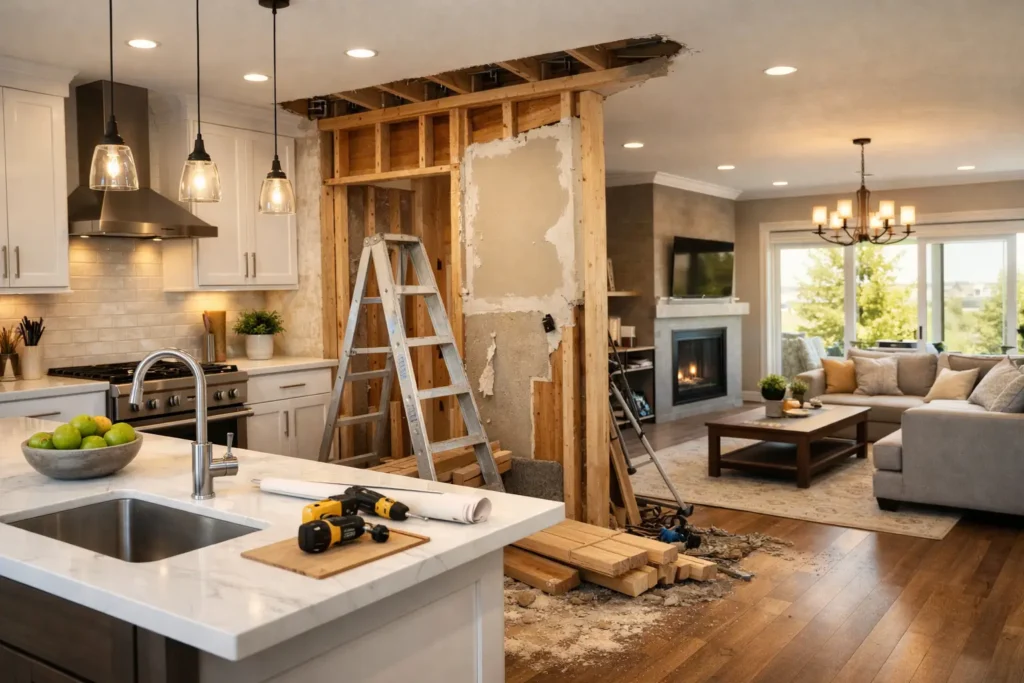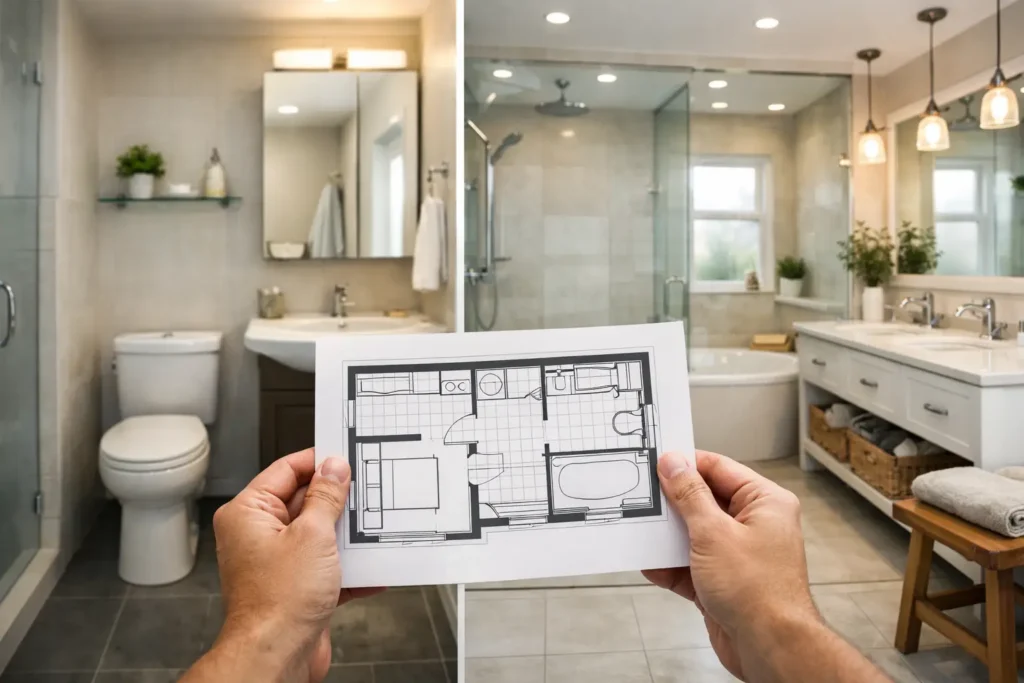
A kitchen that no longer works for family life, a dated bathroom, or a cramped layout can make remodeling feel urgent. But the contractor you choose will shape far more than the finished look. They will influence the planning process, the quality of materials and workmanship, how your home is treated during construction, and whether the project feels organized from start to finish. Knowing how to choose a remodeling contractor means looking beyond a quick estimate and finding a partner equipped to deliver lasting results.
Start With the Right Scope of Work
Before comparing contractors, get clear about what you want your project to accomplish. You do not need to have every finish or fixture selected, but you should be able to describe the problem you are solving. Maybe your kitchen needs better storage and traffic flow. Maybe a bathroom needs safer access, more functional lighting, and materials that stand up to daily use. Maybe your family needs an addition or a whole-home renovation that makes the house work better for the years ahead.
This clarity helps you find a contractor whose experience matches the work. A professional who handles small repairs may not be the right fit for a detailed kitchen renovation, structural changes, or a project involving multiple trades. Look for a remodeling company that can manage the full scope, from planning and demolition through installation, finish work, and final details.
A full-service contractor can reduce the burden on homeowners. Rather than coordinating separate crews for framing, flooring, drywall, painting, windows, doors, concrete, or exterior improvements, you have one accountable team overseeing how the pieces come together. That matters when schedules change, materials arrive late, or an existing condition requires a thoughtful solution.
How to Choose a Remodeling Contractor With Confidence
The best contractor is not always the one with the lowest number on the estimate. A low bid can reflect a narrower scope, lower-grade materials, missing preparation work, or allowances that may grow later. Compare proposals based on what is included, how the work will be managed, and the level of craftsmanship promised.
A dependable remodeling contractor should be willing to discuss the following in plain language:
- The project scope, including demolition, prep work, installation, cleanup, and finishing details
- The materials and product assumptions used to prepare the proposal
- Who will supervise the work and serve as your main point of contact
- The expected sequence of work, anticipated timeline, and process for handling changes
- Required licensing, insurance, permits, and inspections when applicable
You are not looking for a contractor who claims that every renovation will be effortless. Remodeling existing homes often reveals surprises behind walls, beneath floors, or around plumbing and electrical systems. You are looking for a professional who explains possible variables early and has a clear process for addressing them without confusion or shortcuts.
Verify Credentials and Local Experience
Credentials are a starting point, not the entire decision. Confirm that the contractor carries appropriate insurance and is prepared to meet local permit and inspection requirements for the work involved. This protects your home and helps ensure work is completed to the standards expected in your community.
Local experience also adds practical value. Homes across Leander, Cedar Park, Round Rock, Georgetown, and the greater Austin area can have different construction eras, site conditions, exterior materials, and permitting considerations. A contractor familiar with the region is more likely to anticipate common challenges and recommend materials suited to Central Texas weather, heat, and long-term maintenance needs.
Ask how long the company has been completing remodeling projects similar to yours. Experience is especially important when a project involves layout changes, room additions, detailed tile work, custom cabinetry, structural framing, exterior upgrades, or coordinating several skilled trades. A portfolio should show more than attractive final photos. It should demonstrate consistency, clean finish work, and the ability to create spaces that are both polished and functional.
Look Closely at Craftsmanship, Not Just Style
Beautiful online photos are useful, but they are only one part of the picture. Ask to see examples that resemble your project in scale and complexity. If you are remodeling a bathroom, pay attention to tile alignment, transitions between materials, fixture placement, trim details, ventilation planning, and how the space feels as a whole. For kitchens, look at cabinetry fit, countertop seams, lighting, appliance integration, and practical circulation around the room.
Quality often lives in the details homeowners may not notice at first glance. Are doors and drawers aligned? Do flooring transitions look intentional? Are exterior improvements designed to handle weather exposure? Is the paint work clean around trim, corners, and fixtures? These details affect not only appearance but durability and everyday enjoyment.
Materials should also suit the way you live. The highest-end option is not automatically the best choice for every household. A busy family may prioritize durable flooring, easy-clean surfaces, and storage that simplifies routines. A homeowner focused on aging in place may value lighting, access, and low-maintenance finishes. An experienced contractor helps you balance appearance, performance, budget priorities, and future resale value without pushing a one-size-fits-all solution.
Pay Attention to Communication Early
The consultation and estimating stage offers a preview of how the company may perform once construction begins. Are your questions answered directly? Does the contractor listen to how you use your home? Do they point out decisions that could affect cost, timing, or long-term performance? Clear communication before you sign is one of the strongest indicators of a well-managed project.
Be cautious if a contractor is difficult to reach, vague about scope, unwilling to put important details in writing, or quick to pressure you into a decision. Home remodeling is a meaningful investment. You should have room to review the proposal, ask questions, and understand what you are approving.
It is also reasonable to ask who will be in your home each day. Some companies rely heavily on subcontractors, while others use a mix of in-house and specialty trade teams. Either approach can work when it is managed well. What matters is that there is clear accountability, reliable supervision, and a consistent standard for workmanship.
Ask About the Project Management Process
A well-built renovation depends on more than talented tradespeople. It requires organized project management. Ask how the contractor schedules crews, orders materials, communicates updates, protects occupied areas of the home, and handles punch-list items at the end of the project.
For a kitchen or bathroom remodel, homeowners should understand how long key areas may be unavailable and what steps will be taken to minimize disruption. For larger projects, ask how the contractor plans to separate work zones from living spaces, manage debris, and maintain a safe, orderly site. A realistic plan builds confidence because it acknowledges the practical side of construction, not just the finished vision.
Change orders deserve a direct conversation as well. Changes can happen because you select a different finish, decide to add work, or uncover conditions that were impossible to see beforehand. The key is having a documented process. You should know how changes are explained, approved, priced, and scheduled before additional work moves forward.
Compare References and Reviews Thoughtfully
Reviews can reveal patterns that a sales conversation will not. Look beyond the star rating and read for specifics. Do homeowners mention respectful crews, reliable communication, clean job sites, accurate expectations, problem-solving, and finished work that has held up? A few short reviews are less helpful than detailed feedback describing the overall experience.
References can be even more valuable when you ask useful questions. Find out whether the contractor stayed responsive after the contract was signed, whether the crew treated the home with care, and whether unexpected issues were handled fairly. Ask if the homeowner would hire the company again. That question often gets to the heart of the experience.
No contractor can promise a renovation without adjustments, especially in an existing home. The stronger sign of professionalism is how the company responds when conditions change. A contractor who communicates promptly, provides options, and protects quality is far more valuable than one who simply makes the fastest promise.
Choose a Partner, Not Just a Bid
Remodeling can change how your home supports your routines, family, and future plans. That is why the decision should come down to trust as well as qualifications. Choose the contractor who understands your goals, can explain the work clearly, shows consistent craftsmanship, and has the systems to carry the project through with care.
For homeowners seeking a personalized renovation in the Austin area, Oak & Hammer Remodeling brings design-minded planning, skilled construction, and end-to-end coordination to projects built for everyday living. The right conversation should leave you feeling informed, respected, and confident that your home is in capable hands.