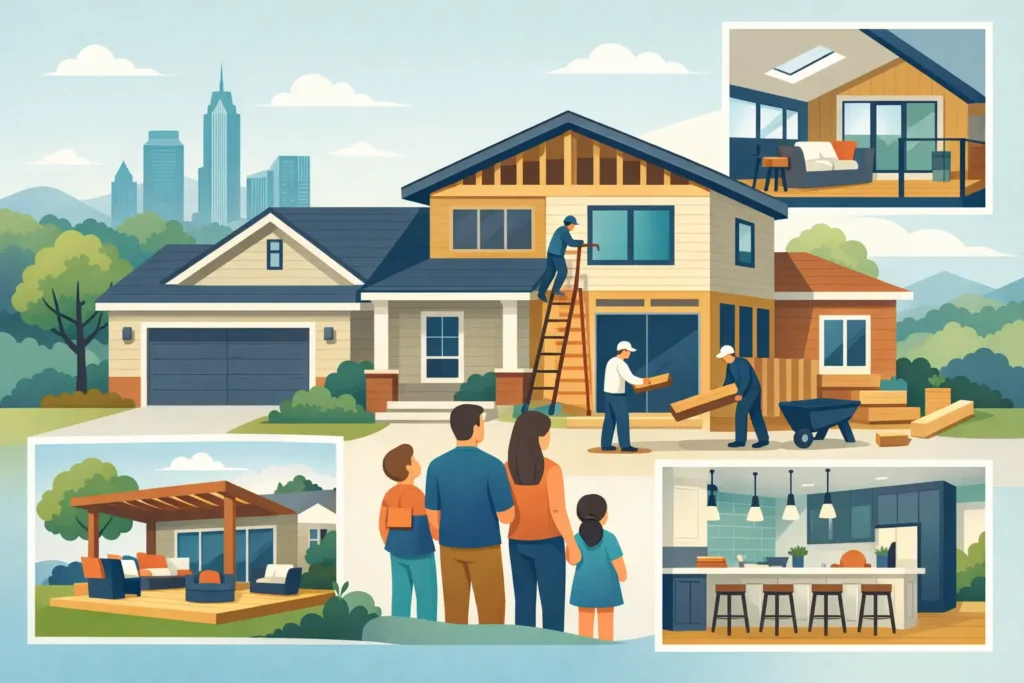
A house can feel too small long before it runs out of square footage. Maybe the kitchen is always crowded, a growing family needs another bedroom, or a home office has taken over the dining table for good. That is why home additions Austin area homeowners plan are rarely just about adding space. They are about making the home work better every day.
In Central Texas, the right addition has to do more than look good on paper. It needs to fit the lot, respect neighborhood character, handle the climate, and connect naturally to the way the home already lives. When an addition is designed well and built with expert craftsmanship, it feels like it was always meant to be there.
Why home additions in the Austin area need a local approach
Austin-area homes are not one-size-fits-all. A project in Leander may have different lot constraints than a project in Cedar Park, and an older home near central neighborhoods can come with very different structural or permitting considerations than a newer suburban build. That local context matters.
The climate matters too. Long summers, strong sun, shifting soils, and heavy rain events all affect how an addition should be planned. Window placement, insulation, roofing tie-ins, drainage, and foundation work are not small details. They play a major role in comfort, energy performance, and long-term durability.
Homeowners also have to think about how an addition changes the flow of the property. A larger footprint can improve daily living, but it can also reduce yard space, affect natural light, or create awkward transitions if the design is rushed. A good contractor looks at the whole house, not just the new square footage.
Which addition makes the most sense for your home
Not every family needs the same kind of expansion. Some need a quiet room to work, some need room for aging parents, and some simply want their common areas to breathe. The best choice depends on how you live now and how long you plan to stay in the home.
Room additions for everyday overflow
A standard room addition is often the most direct fix for a home that feels cramped. This could be a new bedroom, a larger family room, a dedicated office, or a flexible guest space. These additions are popular because they solve a clear need without forcing a full-home overhaul.
The trade-off is that even a straightforward room addition can become complex if plumbing, HVAC, or structural changes are involved. That is why planning matters early. A room that looks simple from the outside may require major work behind the walls to feel fully integrated.
Primary suite additions for comfort and privacy
Many homeowners stay in their homes longer than they once expected. A primary suite addition can create privacy, improve storage, and make the home more comfortable for the long term. Larger showers, better closet space, and a more functional layout can change the daily experience of the home in a meaningful way.
This type of project often adds strong lifestyle value, but it usually carries a higher budget because it combines bedroom, bathroom, and finish work in one package. If resale is a priority, it is smart to balance personal preferences with broad market appeal.
Kitchen and living space expansions
Some homes do not need another room. They need the main living areas to function better. Expanding the kitchen, opening up dining and living areas, or extending the rear of the home can transform how the entire house feels.
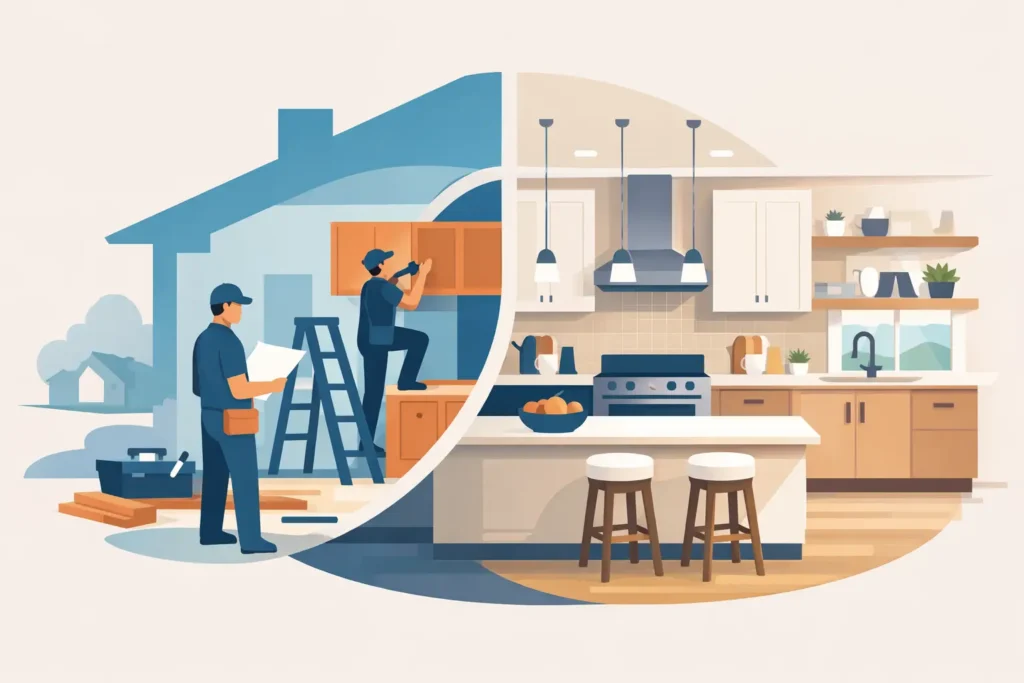
These projects can deliver a big impact because they improve the spaces people use most. They also require thoughtful design. Removing walls, rerouting utilities, and matching floors, ceilings, and finishes takes careful coordination to avoid a patched-on result.
Garage conversions and attached expansions
For some properties, converting part of a garage or adding onto its side can be more practical than a full rear addition. This depends heavily on parking needs, neighborhood norms, and layout opportunities. It can be a smart use of existing structure, but only if it does not create a new problem while solving another.
Losing enclosed storage or parking can affect convenience and resale, so this option works best when the home has enough flexibility elsewhere.
What drives cost on home additions Austin area projects
Homeowners often start by asking for price per square foot. That number can be useful as a rough reference, but it does not tell the full story. Two additions with the same square footage can land in very different budget ranges.
Foundation requirements are a major factor. So are roofing transitions, plumbing needs, electrical upgrades, and HVAC capacity. If the existing system cannot support the new space, the project may need more than a simple extension. Finish selections also matter. Flooring, windows, cabinetry, tile, and built-ins can shift the budget quickly.
Access to the jobsite can affect cost too. Tight side yards, mature landscaping, elevation changes, or limited staging space can slow down labor and complicate construction. In established neighborhoods, matching the original home may take more detail work than homeowners expect.
This is where experience matters. A well-planned estimate should reflect the real conditions of the property, not just a generic number pulled from a chart.
Design choices that make an addition feel original
The biggest compliment a home addition can get is this: it does not look added on. That kind of result comes from discipline in both design and construction.
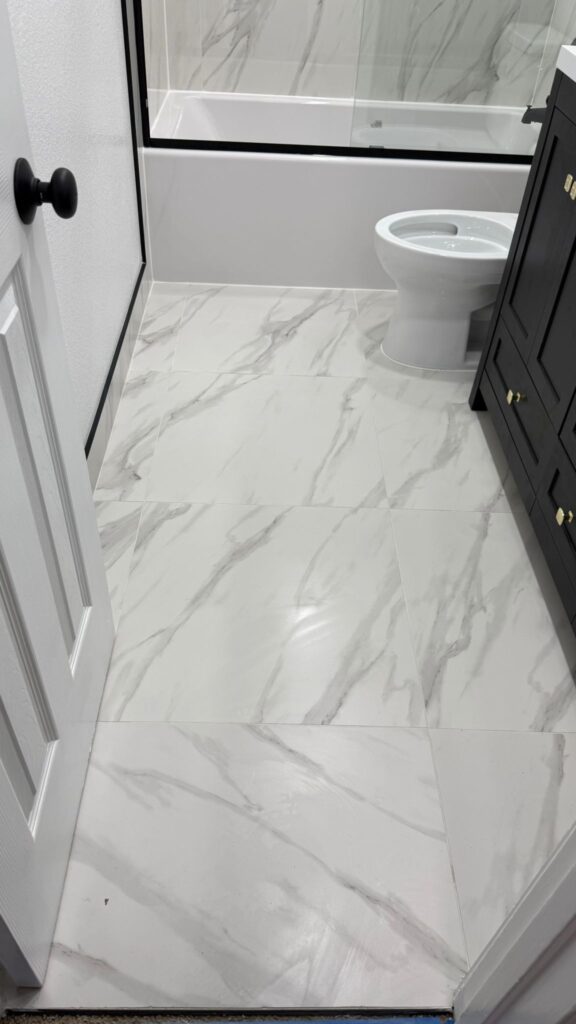
Rooflines should feel intentional. Exterior materials should be matched or thoughtfully coordinated. Windows need the right proportion and placement, not just whatever fits. Inside, ceiling heights, trim details, flooring transitions, and lighting all help the old and new parts of the house speak the same language.
Function matters just as much as appearance. A beautiful addition that creates dead space, awkward traffic patterns, or furniture challenges is not a successful upgrade. Good design improves both form and flow.
That is why many homeowners benefit from working with a full-service remodeling contractor that can think through structure, finishes, and day-to-day use at the same time. Oak & Hammer Remodeling approaches additions with that bigger-picture mindset, which helps homeowners avoid choices that look fine during planning but feel off once the space is built.
The process should reduce surprises, not create them
A home addition is a major investment, and homeowners deserve clarity from the start. The strongest projects usually follow a predictable path: initial consultation, site evaluation, design development, budgeting, scope alignment, permitting, construction, and final finishing.
What changes from one project to another is not the need for process, but the level of complexity. Some additions move smoothly because the layout is simple and the lot is forgiving. Others require more structural work, more review, or more coordination across trades.
The goal is not to pretend every project is easy. The goal is to manage complexity well. That means clear communication, realistic timelines, quality control, and craftsmanship built to last.
When an addition is better than moving
For many homeowners in the Austin area, moving sounds easier until they run the numbers and think through the trade-offs. A new home may bring more space, but it can also mean a higher mortgage rate, new commute patterns, unfamiliar schools, and a house that still needs work to feel like your own.
An addition lets you improve the home you already know. That can be the smarter path when the location still works, the lot can support expansion, and the existing structure has good bones. It also gives homeowners more control over the result. Instead of compromising on someone else’s layout, you can build around your actual lifestyle.
That said, not every home is the right candidate. Some floor plans are harder to expand efficiently. Some properties have setback or lot coverage limitations. A trustworthy contractor will be honest about what makes sense and what may not deliver enough value.
How to know you are ready to start
If you can clearly describe what is not working in your home, you are closer than you think. Maybe mornings feel chaotic because there is not enough bathroom space. Maybe family gatherings always spill into hallways. Maybe a child is getting older and the house has not kept up.
Those are not small annoyances. They are signs that the home no longer supports the way you live. A well-executed addition can solve that problem with lasting quality, practical comfort, and value that shows up every day, not just at resale.
The right next step is not rushing into construction. It is having a real conversation about goals, budget, property limitations, and what kind of addition will genuinely improve the home. When the planning is thoughtful, the finished space feels natural, useful, and built for the long run.
A good addition does more than add square footage. It gives your home room to keep up with your life.