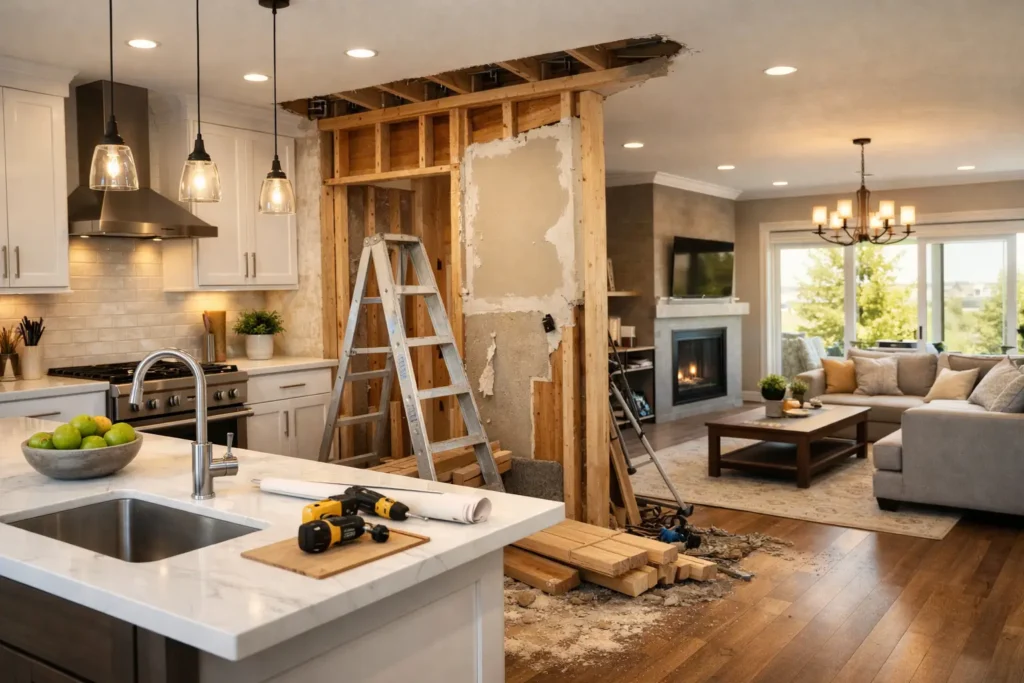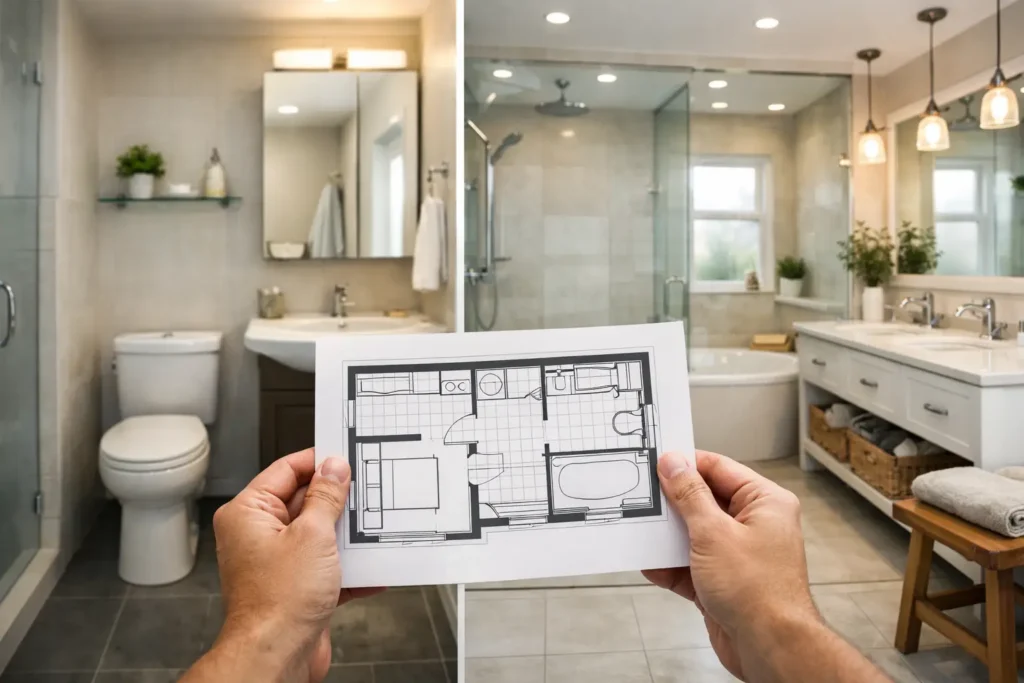
A whole-home remodel is not simply a series of room updates. It is an opportunity to make the house work better as one connected space – from the way you enter the front door to how you cook, gather, rest, and use the outdoors. This whole home renovation guide helps Central Texas homeowners plan the work with clear priorities, thoughtful sequencing, and a focus on results that will serve their family for years.
The best renovations begin well before demolition. They begin with an honest look at what is frustrating, what is worn out, and what would make everyday life more comfortable. When that planning is handled carefully, a large remodel can feel organized rather than overwhelming.
Start With How Your Home Needs to Work
Before choosing tile, cabinet colors, or light fixtures, define the changes that would have the greatest impact on your routine. An outdated kitchen may be the visible problem, but the real issue could be limited storage, poor traffic flow, or a layout that separates the cook from everyone else. A cramped bathroom may need more than new finishes. It may need a better shower layout, more useful vanity space, or improved lighting.
Walk through the house at different times of day and make notes. Consider where backpacks pile up, where guests naturally gather, which rooms feel too dark, and which areas are difficult to heat or cool. For established families, the right priorities often include durable flooring, better storage, flexible living areas, and bathrooms designed for busy mornings.
It also helps to separate needs from nice-to-haves. Structural repairs, aging windows and doors, water-damaged materials, roofing concerns, and inefficient layouts generally deserve attention before cosmetic updates. A beautiful finish cannot make up for a room that still does not function well.
Build a Clear Scope Before Selecting Finishes
Whole-home work can include kitchens, bathrooms, flooring, painting, windows, doors, room additions, exterior improvements, and custom outdoor living spaces. That range is exactly why a well-defined scope matters. Without one, homeowners can make isolated decisions that compete with each other later.
Start by identifying the rooms and systems included in the renovation. Then consider how each decision affects the rest of the house. New flooring may influence baseboards, interior doors, and paint. A kitchen layout change can affect electrical, plumbing, lighting, and adjacent living areas. An addition needs to feel connected to the original home, both inside and out.
A detailed scope should describe the intended outcome, not just a list of products. Instead of saying, “update the primary bathroom,” clarify whether the goal is a more open shower, easier maintenance, improved storage, better ventilation, or a more refined look. This gives the design and construction team a stronger foundation for making recommendations.
Decide What Must Stay Consistent
A whole-home renovation does not require every room to look identical. In fact, a little variation gives a home character. Still, repeating a few elements creates a finished, intentional feel. You might carry a consistent metal finish through hardware and lighting, use complementary paint colors, or repeat the same style of trim and interior doors.
In Austin-area homes, durable and practical choices are especially valuable. Flooring, exterior materials, paint systems, and windows should be selected for how they will perform through heat, humidity, active family life, and normal wear. The most striking material is not always the best choice if it demands more upkeep than your household wants to give it.
Plan the Renovation in the Right Order
Construction sequence protects both the schedule and the finished work. Major remodeling generally moves from the most invasive work to the final details. Structural changes, framing, plumbing, electrical, and mechanical adjustments should come before drywall, flooring, cabinetry, trim, and paint.
This order may sound obvious, but it prevents costly rework. Installing new floors before completing a major wall change or running new plumbing creates unnecessary risk. Choosing lighting too late can leave a homeowner trying to make fixtures fit around already-completed ceiling work.
For a renovation involving most of the home, it is also worth deciding whether your family will remain in the house during construction. That depends on the scope, the availability of usable bathrooms and kitchen access, and your comfort with dust, noise, and changing routines. Staying in the home can be workable for phased projects, but a more extensive renovation may be easier and faster when the work areas are fully accessible.
Make Temporary Living Plans Early
If you will stay in the home, establish a protected daily-use zone before work starts. This might include a temporary food-prep area, a clear path to bedrooms, and a plan for pets and children during active construction hours. Ask where materials will be stored, how dust control will be handled, and which entrances the crew will use.
Good preparation does not remove every inconvenience, but it turns unknowns into manageable expectations. It also gives your contractor the information needed to keep the jobsite safer and more respectful of your home.
Choose a Contractor Who Can Coordinate the Full Picture
Whole-home projects involve many moving parts. Design choices, permits, inspections, specialty trades, material lead times, and construction sequencing all need to work together. Coordinating each piece independently can create gaps between decisions and delays in the field.
Look for a remodeling contractor with experience managing full-scope residential work and a process for keeping homeowners informed. The right partner should be able to discuss layout options, explain where construction conditions may affect the plan, and help you make decisions before they become last-minute problems.
Ask how the team handles changes discovered after walls are opened, how communication will work during construction, and who is responsible for coordinating trades. You should also discuss permitting requirements when structural work, additions, electrical changes, or plumbing modifications are part of the project. A knowledgeable local contractor understands that permits and inspections are part of building work correctly, not an obstacle to rush past.
Oak & Hammer Remodeling brings design-minded planning and skilled, full-service execution together so homeowners can move from a big-picture vision to a polished, built-to-last result.
Protect Your Budget With Smart Priorities
A renovation budget works best when it reflects your true priorities. Reserve the strongest investment for elements that affect daily use, durability, and long-term performance. Cabinet construction, waterproofing, plumbing fixtures, flooring, windows, and properly installed exterior materials are not areas where shortcuts tend to age well.
At the same time, not every choice needs to be the most expensive option. A well-planned mix of materials can deliver a custom appearance while keeping resources focused on the features that matter most. For example, a statement light fixture may make a room feel special, while more straightforward selections in secondary spaces keep the overall project balanced.
Keep a reasonable contingency for conditions that cannot be fully confirmed until construction begins, especially in older homes. Behind-wall discoveries are not guaranteed, but planning for the possibility reduces pressure if repairs or code-related updates become necessary.
Use This Whole Home Renovation Guide to Think Long Term
The best whole-home renovations are designed for the next chapter of ownership, not just the reveal day. Think about how your needs may change over the next several years. A growing family may need adaptable bedrooms and more storage. Long-term homeowners may value easier-to-maintain finishes, wider circulation areas, and a more accessible bathroom layout.
Energy efficiency deserves a place in this conversation as well. Window and door upgrades, insulation improvements where appropriate, modern lighting, and better ventilation can improve comfort throughout the home. These decisions are often less dramatic than a new kitchen island, but they influence how the house feels every day.
Finally, give the exterior the same consideration as the interior. Updated siding, paint, stonework, patios, pergolas, fencing, and entry details can make the home feel complete while protecting it from the elements. The goal is not to renovate every surface at once. It is to make the changes that bring the house into better alignment with the way you want to live.
A thoughtful plan gives every decision a purpose, helping your renovation feel personal, practical, and ready for the life ahead.