A water spot on the ceiling after a hard Texas rain is easy to dismiss – until it grows, the drywall softens, or another storm rolls through. The roof repair vs replacement decision is rarely about one missing shingle alone. It is about finding the source of the problem, protecting the structure beneath it, and choosing work that makes sense for the age and future of your home.
For homeowners in the greater Austin area, heat, sudden downpours, wind, hail, and intense sun all put steady pressure on a roof. A careful assessment can reveal whether a targeted repair will restore reliable protection or whether replacement is the smarter investment before small issues become widespread damage.
Roof Repair vs Replacement Starts With the Condition
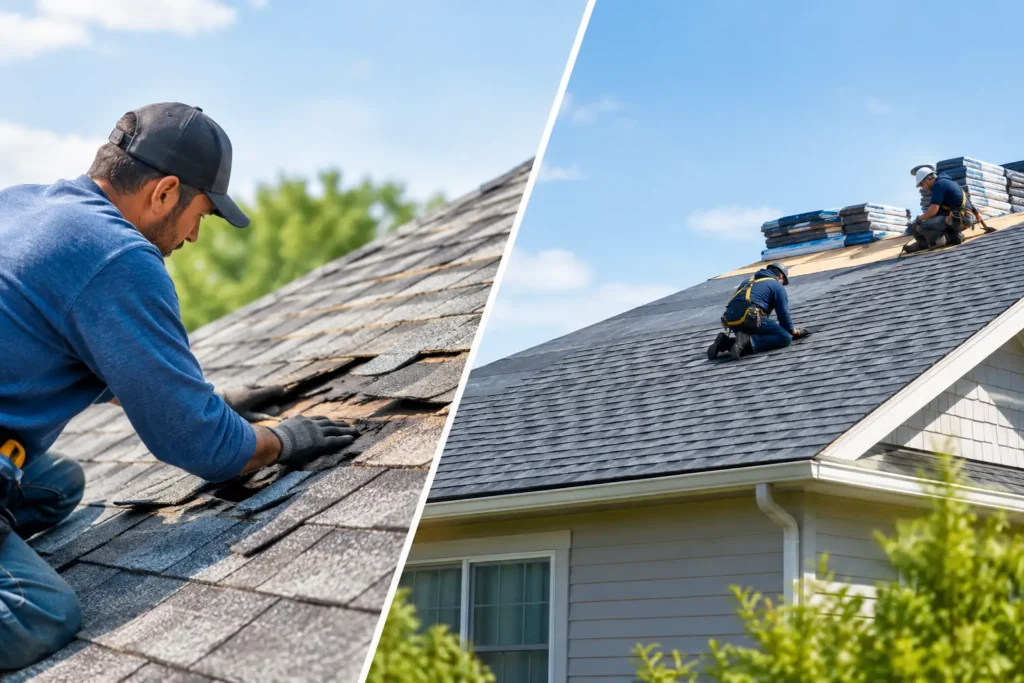
The best choice depends on the roof’s overall condition, not just the most visible symptom. A single leak can come from damaged flashing around a vent, loose shingles, cracked sealant, or a small area of storm damage. If the rest of the roofing system is sound, repairing that specific issue can be an efficient, durable solution.
Replacement becomes more compelling when the problem is no longer isolated. Widespread shingle wear, repeated leaks in different areas, sagging roof decking, deteriorated flashing, or extensive storm damage can signal that repairs will only delay a larger project. A roof should work as one protective system. When multiple components are failing, patching one section at a time may not provide the security your home needs.
A professional inspection should look beyond the surface. The condition of shingles matters, but so do penetrations, valleys, ridge lines, gutters, ventilation, decking, and signs of moisture inside the attic. This broader view helps prevent a repair decision based on a symptom while the actual cause remains unresolved.
When Roof Repair Is the Practical Choice
Roof repair is often appropriate when damage is limited, the roof is still in a healthy stage of its service life, and matching materials are available. The goal is not simply to stop water for the moment. It is to correct the failed component and preserve the performance of the entire roof.
The damage is contained
A few lifted or missing shingles after high winds, a small puncture from a fallen branch, or damaged flashing near a chimney or pipe boot can often be repaired without disturbing the rest of the roof. Prompt action matters. Water can travel beneath shingles and show up far from its original entry point, so the repair should address both the visible damage and any affected materials underneath.
The roof has plenty of life left
Age is not the only factor, but it is a useful one. A relatively newer roof with an isolated issue usually deserves a targeted repair. Replacing a roof that is otherwise performing well may not add meaningful value compared with a properly completed repair.
You need to preserve a consistent exterior
Repair can also make sense when the existing roof color and material are still readily available. A well-matched repair protects the home without creating an obvious patchwork appearance. If the original shingles have faded substantially or been discontinued, the visual difference may be more noticeable, which is worth considering for homeowners focused on curb appeal.
Signs Replacement May Deliver Better Long-Term Value
A replacement is a larger undertaking, but it gives you the opportunity to address the roof as a complete system. That can mean replacing worn materials, correcting underlying decking concerns, improving ventilation, and creating a more dependable exterior envelope for the years ahead.
One of the clearest signs is widespread granule loss or shingle deterioration. Granules protect asphalt shingles from ultraviolet exposure. When shingles look bare, brittle, curled, cracked, or uneven across broad sections of the roof, the material may be nearing the end of its useful life.
Recurring leaks are another warning sign. Repairing a leak once is normal. Repairing new leaks after every major storm is different. Repeated water intrusion can damage insulation, stain ceilings, weaken framing, and create conditions for mold growth. At that point, a replacement may be the more responsible way to protect the home.
Replacement should also be considered after substantial storm damage. Hail can bruise shingles in ways that are not obvious from the ground, while wind can break seals and lift edges that allow water underneath. An inspection can determine whether damage is limited enough for repair or broad enough that a full replacement provides the more reliable outcome.
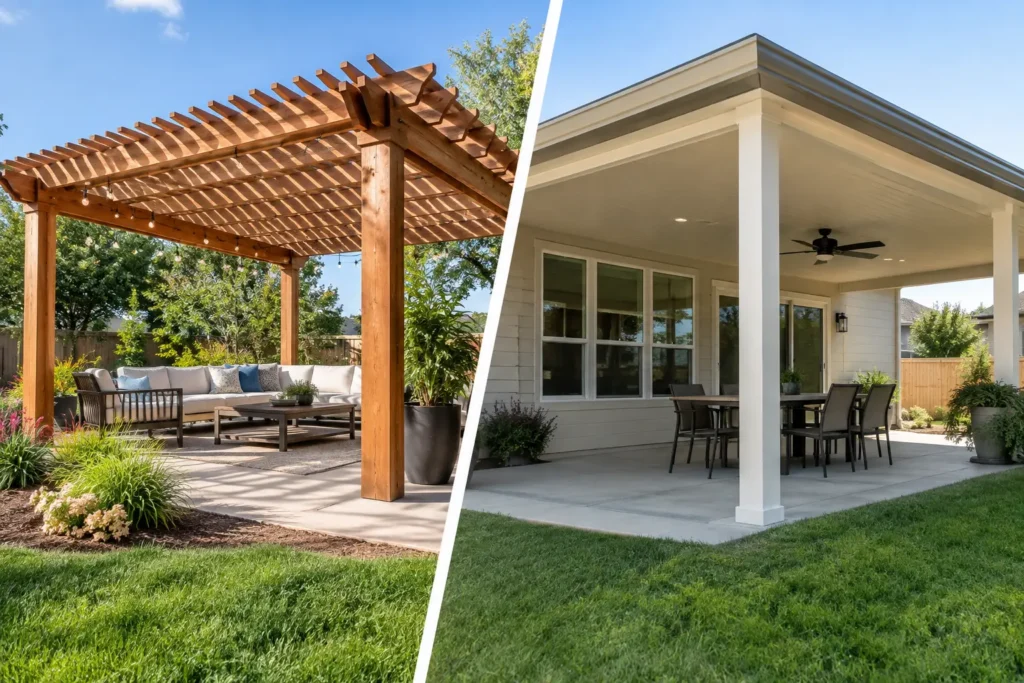
Finally, think about your plans for the home. If you expect to stay for many years, a new roof can be part of a larger exterior improvement plan that includes siding, windows, paint, gutters, or a covered patio. Coordinating compatible projects can create a more polished result and reduce the disruption of scheduling separate work later.
Factors That Should Shape Your Decision
The roof repair vs replacement question becomes easier when you weigh a few practical factors together rather than relying on a single rule.
First, consider the scope of damage. Is there one problem area, or are issues appearing across several slopes? Next, consider the roof’s age and maintenance history. A roof that has already needed multiple repairs may be telling you that its remaining life is limited.
Also consider what sits below the roof. A small exterior defect can lead to costly interior repairs if moisture reaches decking, insulation, drywall, or finished spaces. Protecting the structure early is often less disruptive than waiting for a small leak to become a renovation project.
Material availability and appearance matter, too. If a repair will stand out because shingles cannot be matched, homeowners sometimes choose replacement for a consistent finished look. That is not always necessary, but it can be the right decision when exterior presentation and resale readiness are priorities.
Do not overlook ventilation
Ventilation is frequently overlooked because it is not visible from the curb. Yet excessive attic heat and trapped moisture can shorten material life and make your home less comfortable. During a replacement, it is a good time to evaluate intake and exhaust ventilation as part of the complete roofing system. Improving this detail can support lasting roof performance in Central Texas conditions.
Why the Cheapest Immediate Option Is Not Always the Best One
A repair can be the most cost-conscious choice when it solves a contained problem correctly. But repeated repairs can become frustrating when they address symptoms rather than a roof that has reached the end of its service life. The right decision is not automatically the smallest project. It is the project that gives your home dependable protection without spending unnecessarily on work it does not need.
That is why clear documentation matters. Ask for an explanation of where the issue is located, what caused it, what materials will be repaired or replaced, and whether surrounding areas show similar wear. A trustworthy contractor should help you understand the recommendation, including when a repair is fully reasonable.
Plan the Work Around Your Home and Your Goals
Roof work affects more than shingles. There may be landscaping, driveway access, pets, children, outdoor furniture, gutters, and neighboring homes to consider. A well-managed project includes site protection, clear communication, thorough cleanup, and attention to the details that keep daily life moving.
For replacement projects, ask how damaged decking will be handled if it is discovered after old materials are removed. It is also wise to discuss flashing, ventilation, and transitions where the roof meets walls or other exterior features. These details are often where long-term performance is won or lost.
Oak & Hammer Remodeling approaches exterior work with the same practical focus used in larger home improvements: understand the full condition, recommend work that fits the home, and deliver craftsmanship built to last. Whether the answer is a focused repair or a full replacement, the goal is a roof that lets you stop watching the forecast and enjoy your home with confidence.
Before the next heavy rain tests a questionable area, have it evaluated. A timely, informed decision can protect your home, preserve its appearance, and give you a clearer path forward.