A whole-house renovation is rarely prompted by one bad room. It begins when the kitchen feels closed off, bathrooms are showing their age, storage is never where you need it, and the home no longer supports the way your family actually lives. A whole house remodel Austin homeowners plan well can turn those separate frustrations into one coordinated, lasting transformation.
The goal is not simply to make every room look newer. It is to improve the flow, comfort, durability, and character of the home while making smart decisions about what to preserve, what to rework, and what will bring value for years to come.
Start With How You Want to Live
The strongest whole-home projects begin with everyday routines, not a list of finishes. Think about how your household moves through the home on a busy weekday, where people gather when guests visit, and which spaces consistently create friction.
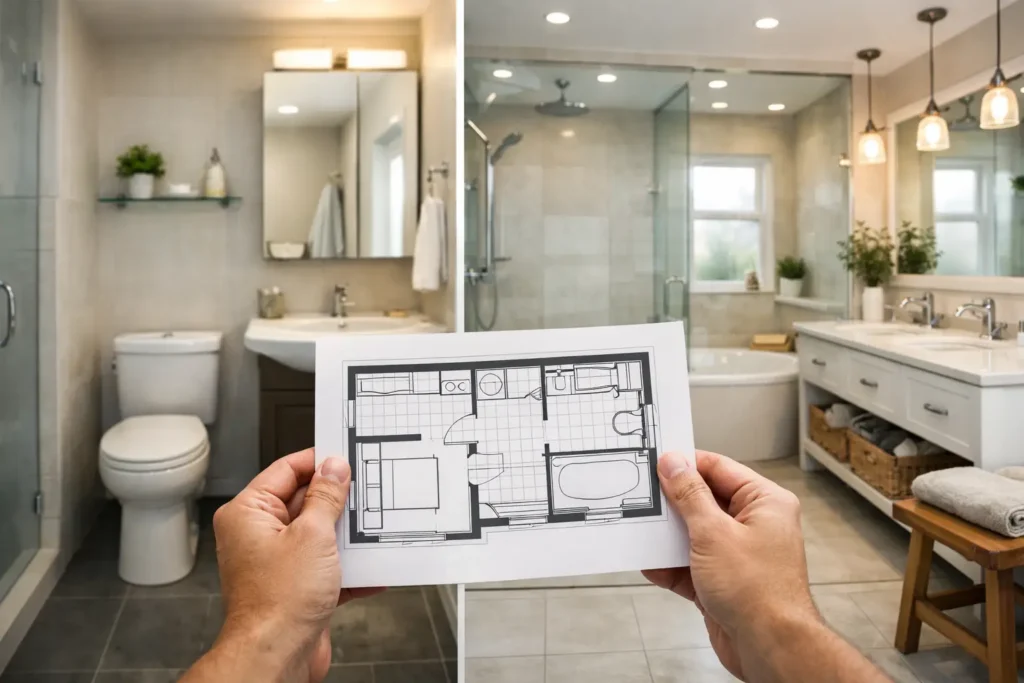
Maybe the kitchen needs a better connection to the living area. Perhaps a formal dining room would serve the family better as a flexible office or play space. Older bathrooms may need improved layouts, more storage, updated ventilation, and materials that are easier to maintain. In many Austin-area homes, homeowners also want brighter interiors, more efficient windows and doors, refreshed flooring, or a more useful outdoor living area.
These needs help establish the real scope of the project. A whole-house remodel does not have to mean removing every wall or replacing every surface. Sometimes the best result comes from focused changes in the rooms that matter most, paired with consistent finishes and carefully planned updates throughout the home.
Build the Scope Before Choosing Finishes
It is easy to get excited about cabinet colors, tile, lighting, and countertops. Those decisions matter, but they should follow the larger planning work. Before selecting finishes, clarify the project priorities: layout changes, room additions, major repairs, storage, energy efficiency, exterior improvements, or a complete interior refresh.
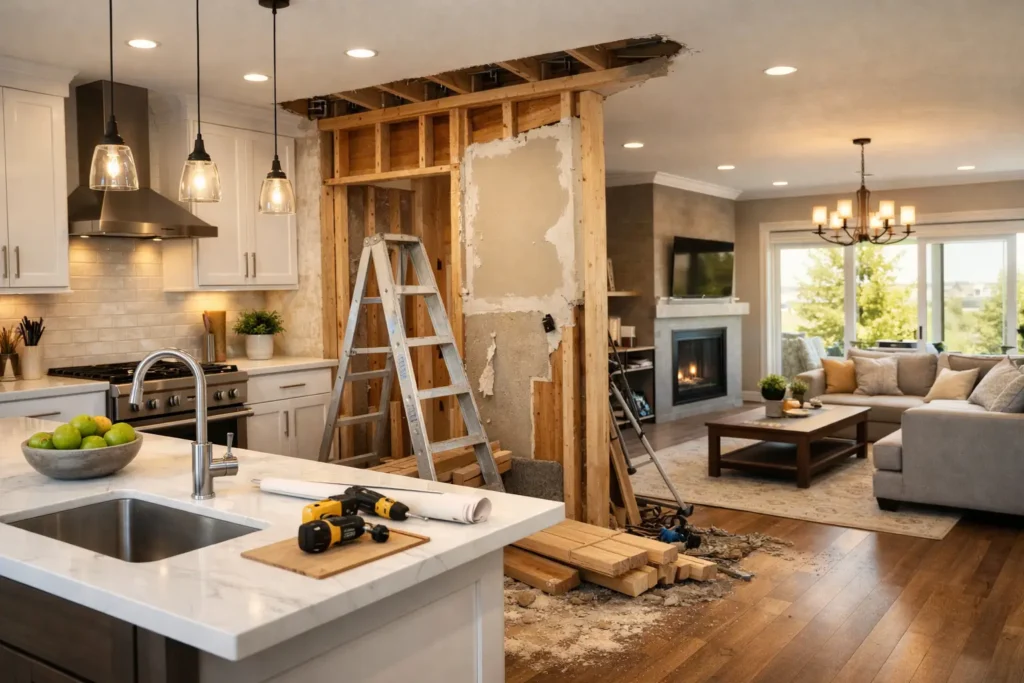
A clear scope lets the remodeling team evaluate how one decision affects another. Moving a kitchen wall, for example, may involve framing, electrical work, plumbing changes, drywall, flooring repairs, and paint. Replacing flooring throughout the home may affect doors, baseboards, transitions, and the sequence of other work. Looking at these connections early prevents a patchwork result later.
Separate Must-Haves From Nice-to-Haves
Every remodel involves trade-offs. A family that needs another bedroom, a more functional kitchen, and updated bathrooms may need to decide which improvements must happen now and which can be phased. That does not mean settling for less. It means designing a plan that protects the integrity of the finished home.
Start with the changes that affect daily function, safety, and long-term durability. Then identify the upgrades that add comfort or visual impact. A good plan can account for future phases so that work completed today does not need to be undone later.
Plan a Whole House Remodel in Austin Around the Home Itself
Austin-area homes come in many styles and ages, from established ranch homes to newer suburban properties in Leander, Cedar Park, Round Rock, and Georgetown. Each has different opportunities and constraints. A home with an outdated, compartmentalized layout may benefit from selective wall changes and improved sightlines. A newer home may need more personalization, stronger storage solutions, and higher-quality finishes that better fit the owners’ style.
The existing structure should guide the design. Load-bearing walls, plumbing locations, rooflines, window placement, and the condition of the home all influence what makes sense. Expanding a room or changing an opening can be an excellent investment when it improves light, traffic flow, and usable space. In other cases, reconfiguring within the existing footprint is the smarter route.
This is where experienced planning matters. Rather than forcing a trend onto the house, the design should feel appropriate to the architecture while still giving the home a fresh, personal identity.
Choose Materials That Can Handle Real Life
A polished remodel should be beautiful on move-in day and practical years later. For active households, durability matters as much as appearance. Flooring should fit the level of foot traffic, pets, children, and maintenance preferences. Countertop and wall finishes should hold up to daily use. Cabinet construction, hardware, grout, paint, doors, and trim all deserve attention because these details are touched and tested every day.
Consistency is also important in a whole-home renovation. That does not mean every room must match exactly. It means the choices should relate to one another. Repeating a warm wood tone, a metal finish, a paint family, or a simple trim profile can make separate rooms feel like part of one intentional home.
For exterior updates, materials should be chosen with Texas weather in mind. Quality siding, roofing details, windows, doors, paint, stonework, and concrete features can improve curb appeal while helping protect the home from heat, sun, and seasonal storms.
Sequence the Work to Protect the Finished Product
Whole-home remodeling involves many moving parts, and the order of work makes a major difference. Structural changes and rough-in work need to happen before walls are closed. Flooring, cabinetry, tile, countertops, paint, fixtures, and final trim need to be coordinated so that completed surfaces are protected from later work.
Living in the home during construction is possible for some projects, but it depends on the scope. If the kitchen, multiple bathrooms, and main living areas are all being renovated at once, temporary living arrangements may be worth considering. For a more limited renovation, a contractor may be able to phase the work so that portions of the home remain usable.
The right approach depends on your household’s needs, the layout of the house, and how much disruption you can reasonably manage. The key is discussing this early rather than treating it as an afterthought.
Work With One Team That Sees the Full Picture
A whole-house project can involve design decisions, demolition, framing, electrical, plumbing, drywall, flooring, cabinetry, painting, roofing, windows, doors, and exterior work. Coordinating separate trades on your own can create gaps in communication and make it harder to maintain a cohesive plan.
A full-service remodeling partner provides a clearer path from initial ideas through final details. The team can evaluate the entire property, identify dependencies between trades, help refine priorities, and keep the work aligned with the agreed-upon vision. That coordination is especially valuable when a project combines interior renovations with a room addition, patio, pergola, fencing, or other exterior improvements.
Oak & Hammer Remodeling brings together custom design thinking, skilled craftsmanship, and end-to-end project execution for homeowners who want one accountable team guiding the process. The focus should always remain on your home, your routines, and choices that are built to last.
Make Room for the Details That Change Daily Life
The most satisfying remodels are often defined by details that do not make the first inspiration board. Better pantry storage, a drop zone near the entry, layered lighting, durable wall finishes, improved closet organization, wider passageways, and thoughtfully placed outlets can make a home feel dramatically easier to live in.
Pay attention to natural light and artificial light together. A room can have beautiful finishes and still feel flat or inconvenient if lighting is poorly planned. Consider task lighting where you cook or get ready, ambient lighting for gathering spaces, and accent lighting where it adds warmth or highlights an architectural feature.
A whole-house remodel is an opportunity to stop working around the limitations of an old layout. With a well-defined scope, durable materials, and a contractor who can manage the full process, your home can better support the life you are building in it – room by room, and day after day.