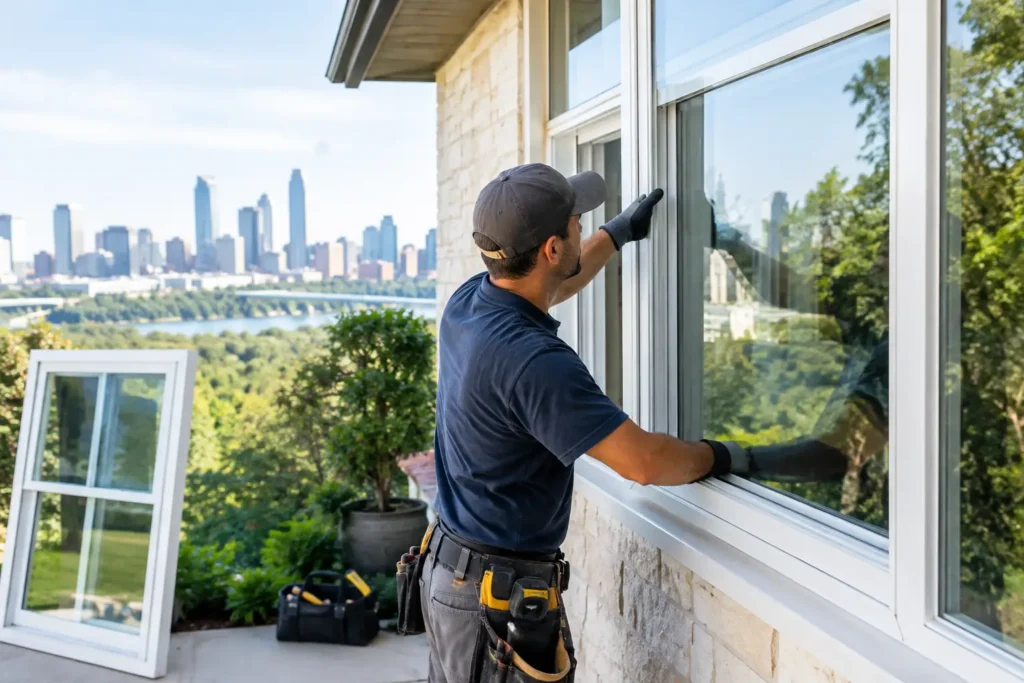
A room that stays hot long after the thermostat changes, a window that takes two hands to open, or glass that looks permanently cloudy can make a home feel older than it is. Knowing when to replace home windows helps you address those daily frustrations before they become larger problems involving water damage, high utility use, or failing exterior finishes.
For homeowners in the greater Austin area, windows work hard. Intense sun, summer heat, sudden storms, humidity, and shifting temperatures can wear down frames, seals, caulk, and hardware over time. Replacement is not always the first answer, but certain signs point clearly to an upgrade that will improve comfort, appearance, and long-term performance.
When to Replace Home Windows: The Signs That Matter
A window does not need to be shattered to be at the end of its useful life. In many cases, the change is gradual: rooms become less comfortable, the exterior looks worn, and small operating issues become part of the routine. Pay attention to patterns rather than one isolated annoyance.
Drafts and uneven room temperatures
If you can feel air movement around a closed window, or one side of the house is consistently warmer than the rest, the window assembly may no longer be sealing properly. Worn weatherstripping, failed seals, warped frames, and gaps around the installation can all contribute.
A draft does not automatically mean the entire window needs replacement. Fresh caulk or weatherstripping may resolve a localized issue. But if several windows are drafty, the frames are deteriorating, or the glass itself performs poorly in direct sun, replacement is often the more durable solution. Modern windows can help reduce heat transfer while making rooms more comfortable near the glass.
Condensation between glass panes
Moisture or fog trapped between double-pane glass is a strong indication that the insulated glass seal has failed. Once that seal breaks, the insulating gas between the panes escapes and humid air enters. The result is hazy glass that cannot be cleaned from either side.
It may be possible to replace only the insulated glass unit in some window styles. That approach can make sense when the frame, sash, hardware, and overall installation are still in excellent condition. If fogged panes appear throughout the home or the windows have other age-related problems, full replacement may provide better value and a more consistent finished look.
Windows that stick, will not lock, or will not stay open
A window should open, close, and lock without a struggle. Sticking can come from paint buildup or a minor hardware issue, especially in an older home. More serious trouble includes sashes that will not stay open, locks that do not align, frames that appear out of square, or windows that must be forced shut.
These conditions affect more than convenience. Properly operating windows are part of a home’s ventilation plan and can be critical in an emergency. When repeated adjustments do not restore reliable operation, replacement is usually the safer long-term choice.
Visible frame damage and soft wood
Look closely at the frame, sill, trim, and exterior caulk lines. Peeling paint, cracked trim, swelling, soft spots, insect damage, and dark staining can all signal moisture exposure. Wood windows can sometimes be repaired if damage is found early and limited to a small area. Extensive rot, however, can compromise the structure around the opening and should be corrected before new damage spreads.
Vinyl, fiberglass, composite, and aluminum-clad products have different failure patterns. Vinyl can warp or crack under long-term heat exposure. Metal components can corrode, and composite materials may show deterioration at joints. The right response depends on the material and how far the damage extends, which is why a careful site evaluation matters.
Rising energy bills with no clear explanation
Utility bills rise for many reasons, including HVAC performance, insulation, thermostat settings, and changes in energy use. Windows are rarely the only factor. Still, older single-pane units, failed insulated glass, and poorly sealed frames can allow significant heat gain during Central Texas summers.
If your cooling system runs constantly and rooms near windows feel noticeably warmer, it is worth evaluating the entire exterior envelope. Replacement windows should be selected for the orientation of the home, the amount of shade, and the size of each opening. A large west-facing window may need a different glass package than a shaded window on the north side of the house.
More outside noise than you expect
Windows will not make a home silent, but they can make a meaningful difference in how much street noise, lawn equipment, barking dogs, and neighborhood activity reach the interior. Loose sashes, gaps around frames, thin glass, and aging single-pane windows can all weaken sound control.
When sound reduction is a priority, the answer is not simply choosing the thickest glass. Window design, glazing configuration, installation quality, and air sealing all influence results. A contractor can help match the product to the specific source of the noise and the way you use the room.
Replacement Versus Repair: Make the Practical Call
Repair is often the right choice when a newer, quality window has one manageable issue. Replacing weatherstripping, hardware, exterior caulk, a screen, or a damaged glass unit can extend service life without unnecessary disruption.
Replacement becomes more sensible when multiple components are failing at once. A window with fogged glass, damaged framing, unreliable locks, and persistent drafts is unlikely to deliver lasting performance through piecemeal repairs. The same is true when several windows throughout the home show the same age and wear.
Consider your broader plans as well. If you are repainting the exterior, installing cement board siding, renovating a kitchen that opens to the patio, or updating doors, coordinating window work can create a cleaner result. It allows the surrounding trim, flashing, finishes, and sightlines to be addressed as one cohesive project rather than as separate patches over several years.
What to Look for in Replacement Windows
The best replacement window is not always the most expensive option or the one with the longest list of features. It should fit the home’s architecture, perform well in the local climate, and operate in a way that supports your household.
Material choice deserves careful thought. Vinyl can be a practical, lower-maintenance option, while fiberglass is known for strength and stability. Wood provides traditional character but requires ongoing maintenance. Composite and clad products can offer a balance of appearance and durability. Each has advantages, and the right fit depends on your design goals, budget range, exposure to sun and weather, and willingness to maintain the finish.
Glass selection matters just as much in Texas. Low-emissivity coatings can help manage solar heat gain while preserving natural light. The ideal rating and glazing package depend on where the window faces, whether trees provide shade, and how warm the room already feels. Bigger glass areas may be beautiful, but they need thoughtful specification to remain comfortable in peak summer conditions.
Style also affects daily use. Double-hung windows are familiar and versatile. Casement windows can provide broad ventilation and a tight seal when closed. Sliding windows work well where an outward-swinging sash would interfere with a walkway or patio. Picture windows bring in views and light but do not provide ventilation. The goal is a design that looks polished and functions naturally in each room.
Installation Quality Is Part of Window Performance
Even a well-made window can disappoint if it is installed without proper flashing, shimming, insulation, and exterior sealing. The installer must account for the opening condition, wall assembly, water management details, and finish work inside and out.
A professional assessment should examine more than the old window itself. It should identify hidden wood damage, exterior cladding concerns, trim needs, and any signs that water has been entering around the opening. Addressing these details during the project protects the investment and helps the finished window look like it belongs with the home.
At Oak & Hammer Remodeling, window and door installation can be planned as part of a larger exterior refresh or a focused upgrade, with attention to craftsmanship, clean finish details, and lasting quality.
Plan the Project Before the Failure Becomes Urgent
Waiting until a window will not close during a storm or water has damaged interior trim limits your choices. A proactive evaluation gives you time to compare materials, plan around household schedules, and coordinate the work with other improvements.
Start by walking through your home on a hot afternoon and after a heavy rain. Note where rooms feel uncomfortable, which windows are difficult to operate, and where you see fogging, stains, or deteriorated caulk. Those observations make a contractor consultation more productive and help determine whether targeted repairs or full replacement will give your home the comfort and durability you expect.