In the 2026 Austin real estate market, home remodeling has shifted from superficial updates toward a model of Strategic Asset Enhancement. For homeowners in Central Texas, the goal is to create a living environment that balances immediate aesthetic appeal with long-term structural resilience and functional flexibility. Achieving this requires a rigorous engineering approach that accounts for Austin’s specific environmental stressors, such as high-plasticity clay soils and intense solar heat gain. A strategic remodel focuses on the unseen technical components of the building envelope, the mechanical systems, and the structural integrity that dictate a home’s performance over several decades. At Oak Hammer Remodel, we utilize an evidence-based construction framework to deliver high-performance residential transformations in Austin. This guide explores the engineering benchmarks of strategic remodeling, ensuring your home provides sustained comfort and operational efficiency well into the future.
Building Envelope Fortification and Thermal Mass Optimization
The most critical technical element of a strategic remodel in Austin is the fortification of the building envelope. To ensure long-term comfort, we must address the Thermal Bridge phenomenon, where heat is transferred through the structural studs of a home. In 2026, we mitigate this by installing continuous exterior insulation and advanced vapor-permeable air barriers. This technically creates a monolithic thermal shield that significantly reduces the workload on HVAC systems. Furthermore, we utilize material science to optimize thermal mass, selecting materials like Texas limestone or high-density engineered composites that absorb and slowly release heat, stabilizing the internal climate against the volatile temperatures of the Hill Country.
- Airtightness and Blower Door Testing: We technically target an air leakage rate of under 3.0 ACH50, utilizing aerosolized sealants to plug microscopic gaps in the building shell that traditional insulation misses.
- High-Performance Fenestration: We specify triple-pane glazing with a Solar Heat Gain Coefficient (SHGC) of 0.20 or lower, technically blocking 80% of radiant heat while maintaining visual clarity.
- Hydrostatic Pressure Management: For any slab-level work, we install advanced drainage mats and moisture-blocking primers to technically prevent ground vapor from affecting your luxury flooring.
Pro-Tip: When executing an Austin home transformation, prioritize Unvented Attic engineering using open-cell spray foam on the roof deck. Technically, this brings your ductwork into a conditioned space, reducing energy loss by up to 25% and preventing the dust-and-allergen cycle common in traditional vented attics. Learn more about our structural standards on our detailed service area page.
Mechanical System Synergy and Smart Infrastructure Integration
Long-term function in a modern Austin home depends on the technical synergy between its mechanical, electrical, and plumbing (MEP) systems. A strategic remodel involves upgrading the home’s nervous system to support the increased electrical loads of 2026, including EV charging stations and high-speed home automation servers. We utilize Home Run plumbing manifolds to ensure consistent water pressure and easy maintenance. Furthermore, we install variable-refrigerant flow (VRF) HVAC systems that technically modulate their output based on real-time occupancy, ensuring that energy is never wasted on unoccupied zones.
- Electrical Load Balancing: We engineer 200-amp or 400-amp service upgrades with integrated surge protection to technically safeguard your smart appliances from the erratic North Texas power grid.
- Structured Cabling Backbones: We install Cat6A data lines in a star-topology layout, technically providing a 10Gbps foundation for future AI-driven home management tools.
- Zoned Hydraulic Management: In any bathroom remodeling in Austin, we utilize pressure-balancing valves that technically prevent thermal shock when water is used elsewhere in the home.
Pro-Tip: Integrate a whole-home water filtration and softening system at the main supply point. Technically, Austin’s hard water causes scale buildup in tankless water heaters and luxury fixtures; a strategic filtration system extends the mechanical life of your plumbing assets by nearly 50%. Explore our technical kitchen remodeling solutions for more system integration ideas.
Adaptive Spatial Logic and Multi-Generational Layout Engineering
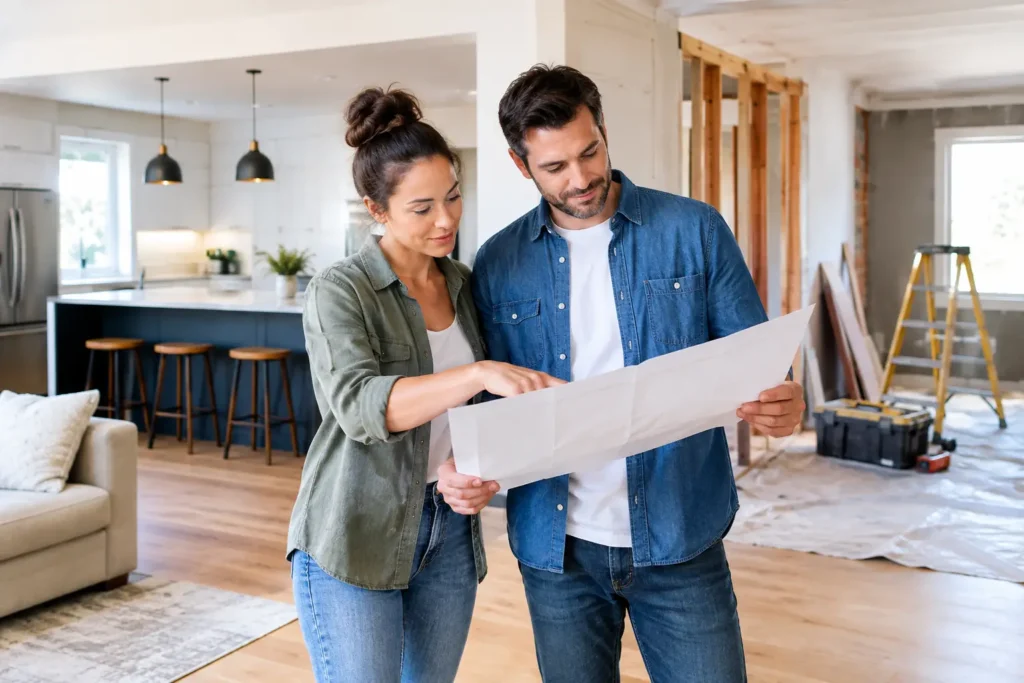
Strategic remodeling requires future-proofing the floor plan to accommodate changing lifestyle needs. In 2026, this involves the implementation of Universal Design principles and technical modifications that ensure a home remains functional for residents of all ages. This includes widening doorways to a minimum of 36 inches, reinforcing bathroom walls for future grab-bar installation, and designing Flex-Zones that can transition from a home office to a primary suite. Technically, we utilize Open-Span framing techniques with engineered LVL (Laminated Veneer Lumber) beams to remove restrictive interior load-bearing walls, allowing for maximum spatial fluidity.
- Curbless Entry Engineering: We technically recess subfloors during the framing stage to create flush transitions, eliminating trip hazards and supporting a modern minimalist aesthetic.
- Ergonomic Work Triangle Optimization: In our Austin kitchen remodeling projects, we utilize computational modeling to ensure the Path of Motion between prep, cooking, and cleanup zones is technically optimized for efficiency.
- Acoustical Privacy Buffers: We utilize resilient channels and QuietRock insulation in wall assemblies to technically reduce sound transmission between social zones and private suites.
Pro-Tip: Install blocking in the walls during your remodel, even if you don’t need handrails now. Technically, having structural timber behind the drywall allows for the easy, safe installation of accessibility features 10 or 20 years down the line without needing to reopen the walls.
Sustainable Material Selection and Lifecycle Performance
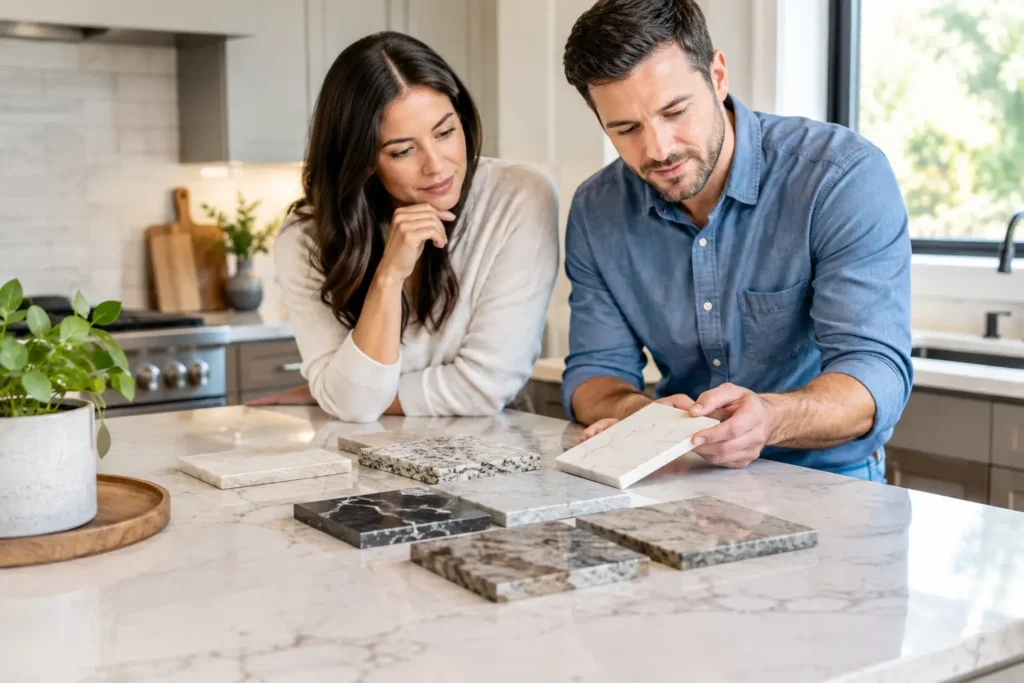
A strategic build is only as good as the materials used. In 2026, we prioritize materials with high Life-Cycle Performance ratings. This means selecting finishes that are technically durable, low-maintenance, and resistant to the humidity cycles of Central Texas. We favor engineered hardwoods with thick wear layers, sintered stone countertops that are impervious to heat and chemicals, and low-VOC (Volatile Organic Compound) paints that preserve indoor air quality. By selecting materials that do not require frequent replacement or intensive chemical treatment, we protect both the environment and the homeowner’s long-term maintenance budget.
Conclusion
Strategic home remodeling in Austin is a disciplined fusion of architectural vision and building science. By focusing on the fortification of the building envelope, the precision of mechanical systems, and the flexibility of the floor plan, you ensure that your home remains a high-performance asset for decades. In 2026, the right way to remodel is through a commitment to technical excellence and a focus on long-term operational health. At Oak Hammer Remodel, we are dedicated to providing the engineering-grade expertise and local Austin insights needed to transform your residence into a sanctuary of comfort and function.
Investing in your home’s structural future begins with a professional assessment. To stay informed on the latest architectural standards and energy-efficiency trends in Central Texas, you can access our technical remodeling blog for ongoing inspiration. If your residence is ready for a strategic and highly technical structural transformation, securing expert consultation and a formal project estimate is the most effective way to ensure a high-performance experience. You can review our history of excellence and client testimonials to see how we have served homes across the Austin region for years. At Oak Hammer Remodel, we offer specialized residential structural solutions and are recognized as a leading home remodeling contractor in Austin dedicated to delivering the highest standards of Texas craftsmanship.
FAQ
What is Strategic Remodeling in the context of 2026?
Technically, it is a remodeling philosophy that prioritizes structural integrity, energy efficiency, and functional longevity over purely aesthetic trends, ensuring the home performs better for longer.
How does Austin’s soil affect a remodel?
Austin’s expansive clay soil can shift with moisture levels. Technically, we must ensure any structural additions or renovations include appropriate foundation piering or moisture-management systems to prevent cracking.
What is a Building Envelope and why should I care?
The building envelope is the physical barrier between the conditioned interior and the exterior environment. A technically sound envelope reduces energy bills and prevents moisture damage from humid Texas summers.
Is it worth upgrading my electrical panel during a remodel?
Yes. Technically, with the rise of EV chargers and smart home hubs in 2026, most older Austin homes require a 200-amp service upgrade to handle the increased load safely and efficiently.
How can I make my home more energy-efficient?
Beyond insulation, you can technically improve efficiency by sealing ductwork, upgrading to a high-SEER2 HVAC system, and installing smart windows with low SHGC ratings.
Does your company manage all the technical permits?
Yes. As a local home remodeling contractor in Austin, we handle the entire City of Austin permitting process, including structural, electrical, and mechanical inspections.
What is Universal Design?
It is a technical design standard that ensures a home is accessible and usable for people of all ages and abilities, featuring things like wider halls and curbless showers.
How long does a strategic whole-home remodel take?
Depending on the complexity, a full-scale Austin home transformation typically takes 5 to 9 months, including the architectural planning and engineering phases.
What are low-VOC materials?
These are materials that have low levels of Volatile Organic Compounds. Technically, using these in your remodel significantly improves indoor air quality by reducing off-gassing of harmful chemicals.
Why is moisture management important in Austin?
Even in dry spells, Austin has high humidity. Technically, improper vapor barriers can trap moisture in wall cavities, leading to mold growth and the structural decay of the framing.