In the 2026 Austin residential sector, the definition of a modern home has shifted from purely aesthetic design to high-performance functional intelligence. For homeowners in the Texas Hill Country, “smart” is no longer a collection of gadgets but a comprehensive engineering standard that enhances daily efficiency and environmental responsiveness. As Austin continues to evolve as a global technology hub, the local real estate market increasingly rewards properties that integrate advanced automation into their structural framework. Reimagining everyday living requires a strategic approach to the building envelope, ensuring that mechanical systems like HVAC, lighting, and security are interconnected and optimized for the Central Texas climate. At Oak Hammer Remodel, we specialize in the technical execution of sophisticated home transformations in Austin. This guide provides a deep dive into the technical essentials of smart remodeling and how they provide lasting value to your Austin property.
High-Capacity Networking and Data Infrastructure Foundations
The most critical technical element of a 2026 smart home remodel is the underlying data backbone. While wireless technology has improved, a truly integrated luxury home in Austin requires a hard-wired infrastructure to maintain zero-latency performance across dozens of connected devices. During the structural phase of a renovation, we prioritize the installation of Category 6A (Cat6A) or Category 7 cabling. These standards provide the 10Gbps bandwidth necessary for high-definition security arrays, 8K media streaming, and centralized automation hubs. By establishing a robust physical network, we future-proof the home against the increasing data demands of the next decade.
- Conduit Path Engineering: We install dedicated flexible conduits within wall cavities, technically allowing for future cable pulls without requiring invasive drywall removal or structural modification.
- PoE (Power over Ethernet) Integration: By utilizing PoE for security cameras and touch panels, we technically eliminate the need for localized power outlets at every device, simplifying the electrical load.
- Network Redundancy Logic: Our networking plans often include dual-WAN routers that can switch between fiber and cellular backup, ensuring the home’s intelligence remains online during local service outages.
Pro-Tip: Always specify a ventilated, rack-mounted “IDF” (Intermediate Distribution Frame) in a climate-controlled area. Technically, smart home hubs and network switches generate significant heat; without proper thermal management and airflow, the lifespan of your core digital infrastructure will be reduced by up to 40%. You can see how we integrate these systems into our Austin-specific project portfolio.
Thermodynamic Optimization through Automated Climate Control
Austin’s climate presents a unique challenge for residential thermal management, with extreme heat cycles often taxing standard HVAC systems. A smart remodel addresses this through the integration of variable-speed compression and multi-zone dampening logic. Technically, these systems utilize localized sensors to monitor temperature and humidity in real-time, adjusting airflow to specific “zones” rather than cooling the entire structure. When paired with motorized thermal shading and high-performance insulation, these smart solutions can reduce cooling-related energy consumption by approximately 15% to 20%, a significant factor in the 2026 Texas energy landscape.
- Psychrometric Sensor Calibration: We install sensors that measure the “heat index” inside the home, allowing the smart system to trigger dehumidification modes before the air feels heavy or uncomfortable.
- Anticipatory Cooling Algorithms: Modern smart thermostats in 2026 can technically sync with local weather forecasts to “pre-cool” your home during off-peak energy hours before a projected Austin heatwave hits.
- Variable Air Volume (VAV) Logic: We utilize smart dampers that can technically adjust the volume of air delivered to a room in 1% increments, providing a level of precision impossible with traditional on/off systems.
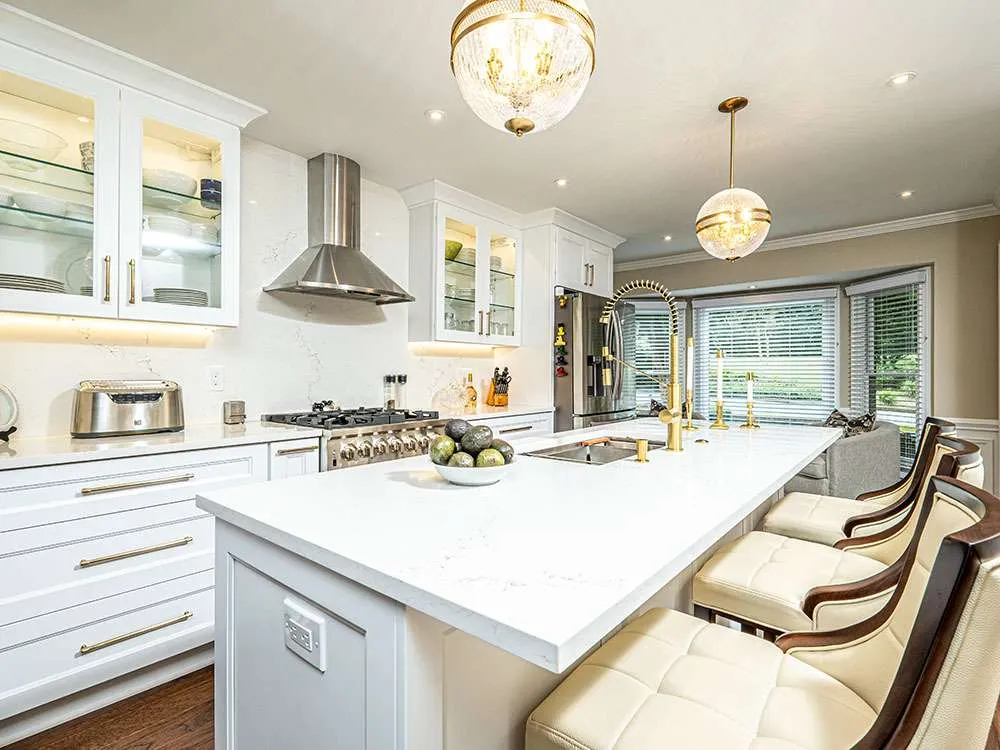
Pro-Tip: When executing a kitchen remodeling project in Austin, ensure your smart HVAC plan includes a makeup air unit linked to your range hood. Technically, high-BTU professional ranges require a smart system to introduce fresh air to prevent dangerous negative pressure inside the newly sealed building envelope.
Bio-Adaptive Lighting and Circadian Synchronization
One of the most profound ways smart technology reimagines everyday living is through the implementation of bio-adaptive lighting. In 2026, high-end Austin remodels utilize “Tunable White” LED technology that adjusts its color temperature based on the time of day. This technically mimics the sun’s natural progression, providing cool, blue-enriched light (5000K+) in the morning to suppress melatonin and warm, amber light (2700K or lower) in the evening to prepare the body for rest. Integrating this into an electrical plan requires sophisticated DMX or 0-10V control systems that allow for flicker-free dimming across the entire visual spectrum.
- Spectral Power Distribution Control: We utilize smart drivers that can technically adjust the specific light wavelengths delivered to a room, enhancing the visual clarity of high-end finishes like Texas limestone.
- Layered Task Automation: Our lighting designs technically separate layers, ambient, task, and accent, allowing each to be automated according to specific daily routines or occupancy levels.
- Architectural Cove Integration: We engineer hidden low-voltage channels into the ceiling or cabinetry to provide “wash” lighting that can be adjusted via voice command or a centralized touch interface.
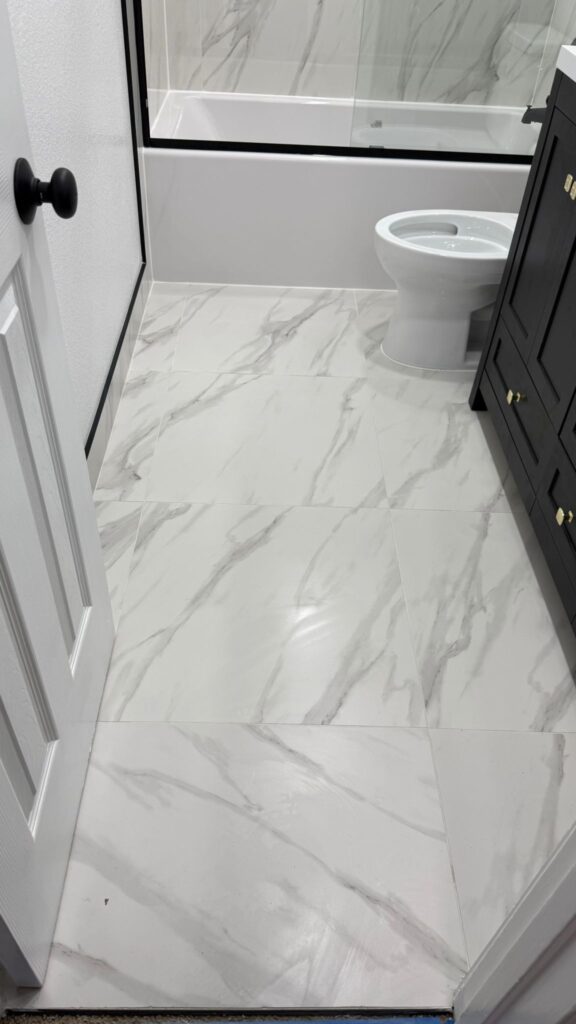
Pro-Tip: For any bathroom remodeling in Austin, consider “Amber-only” nighttime scenes. Technically, blue light at night disrupts sleep; having a motion-sensor-triggered amber light under the vanity ensures safe navigation without triggering a “wakefulness” response in the brain. Learn more about our comprehensive remodeling services.
Smart Security Systems and Building Envelope Monitoring
In a 2026 Austin home, security is no longer an afterthought but a fully integrated component of the building envelope. Modern remodeling solutions include smart locks with biometric entry, high-definition AI cameras that can distinguish between residents and intruders, and perimeter sensors that monitor structural vibrations. Furthermore, we integrate “environmental security” features such as smart water shut-off valves. These devices technically monitor the flow of water into the home; if a sudden spike or a constant “micro-leak” is detected, the system automatically closes the main valve to protect your luxury finishes from catastrophic water damage.
Conclusion
Reimagining everyday living through smart home solutions is a strategic investment in the longevity and performance of your Austin property. By moving beyond surface-level upgrades and focusing on the technical integration of networking, climate control, and bio-adaptive lighting, you create a residence that is truly responsive to the modern world. In 2026, the complexity of these systems requires a contractor who understands both traditional craftsmanship and advanced digital engineering. At Oak Hammer Remodel, we are dedicated to providing the high-level expertise needed to transform your home into a high-performance sanctuary that meets the rigorous standards of the Central Texas market.
The evolution of your home’s functionality begins with professional technical insight. To stay updated on the latest architectural standards and smart technology trends in Central Texas, you can access our technical remodeling blog for ongoing inspiration. If your residence is ready for a professional and highly technical structural assessment, securing expert consultation and a formal project estimate is the most effective way to ensure a high-performance experience. You can review our history of excellence and client testimonials to see how we have served homes across the Austin region for years. At Oak Hammer Remodel, we offer specialized residential structural solutions and are recognized as a leading home remodeling contractor in Austin designed to meet the unique mechanical needs of Texas properties.
FAQ
What is the technical foundation of a smart home remodel?
The foundation is a robust “hard-wired” network infrastructure, typically using Cat6A cabling, which technically supports the bandwidth and power-over-ethernet (PoE) needs of modern automation.
How much does a smart home upgrade cost in Austin?
In 2026, a comprehensive smart integration for an average Austin home typically ranges from $15,000 to $40,000, depending on the number of zones and the complexity of the hard-wiring.
Can I add smart features to an existing Austin home?
Yes. While a full remodel is the best time for hard-wiring, many smart systems can be technically retrofitted using mesh-networking and smart switches that utilize existing electrical boxes.
Does a smart home really increase property value in Texas?
Technically, yes. Data from the 2026 market indicates that homes with integrated smart security, energy management, and lighting can command a 3% to 5% premium in the Austin real estate market.
What is a “tunable white” lighting system?
It is a lighting technology that allows you to technically adjust the color temperature of your LEDs from warm amber to cool blue, syncing your home with your body’s natural circadian rhythm.
How does smart technology improve energy efficiency?
Smart systems technically optimize energy use by adjusting HVAC loads and lighting levels based on real-time occupancy and external weather conditions, reducing waste.
Is it hard to use a smart home system?
A professionally installed system is technically designed for simplicity, allowing you to control lighting, climate, and security via a single app or voice command.
What is a smart water shut-off valve?
It is a mechanical device installed on your main water line that technically monitors flow patterns and automatically closes the valve if it detects a leak, preventing water damage.
Do I need a special permit for smart home wiring?
In Austin, any significant electrical modifications technically require an electrical permit to ensure the work meets the 2024 International Residential Code (IRC) and local amendments.
Does your company handle the design of smart home systems?
Yes. As a local home remodeling contractor in Austin, we provide integrated design-build services that include both the technical engineering and final aesthetic finishes of your smart home.